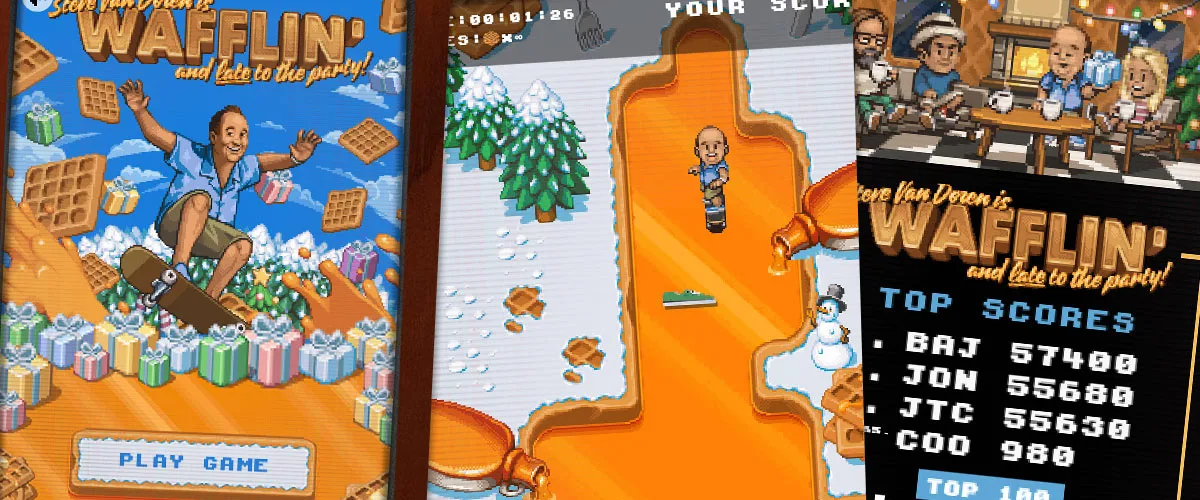

For Vans’ 2018 holiday guide, Wafflin made the game the main event. A 16-bit HTML5 Canvas experience ran on desktop and mobile from one codebase, turning gift discovery into a playable journey.
Nick Rick Interactive · Project Index
Work /
Index
Available projects22
Showing22
Independent work · Collaborative work · Built to moveScroll to explore ↓
22 / 22 results




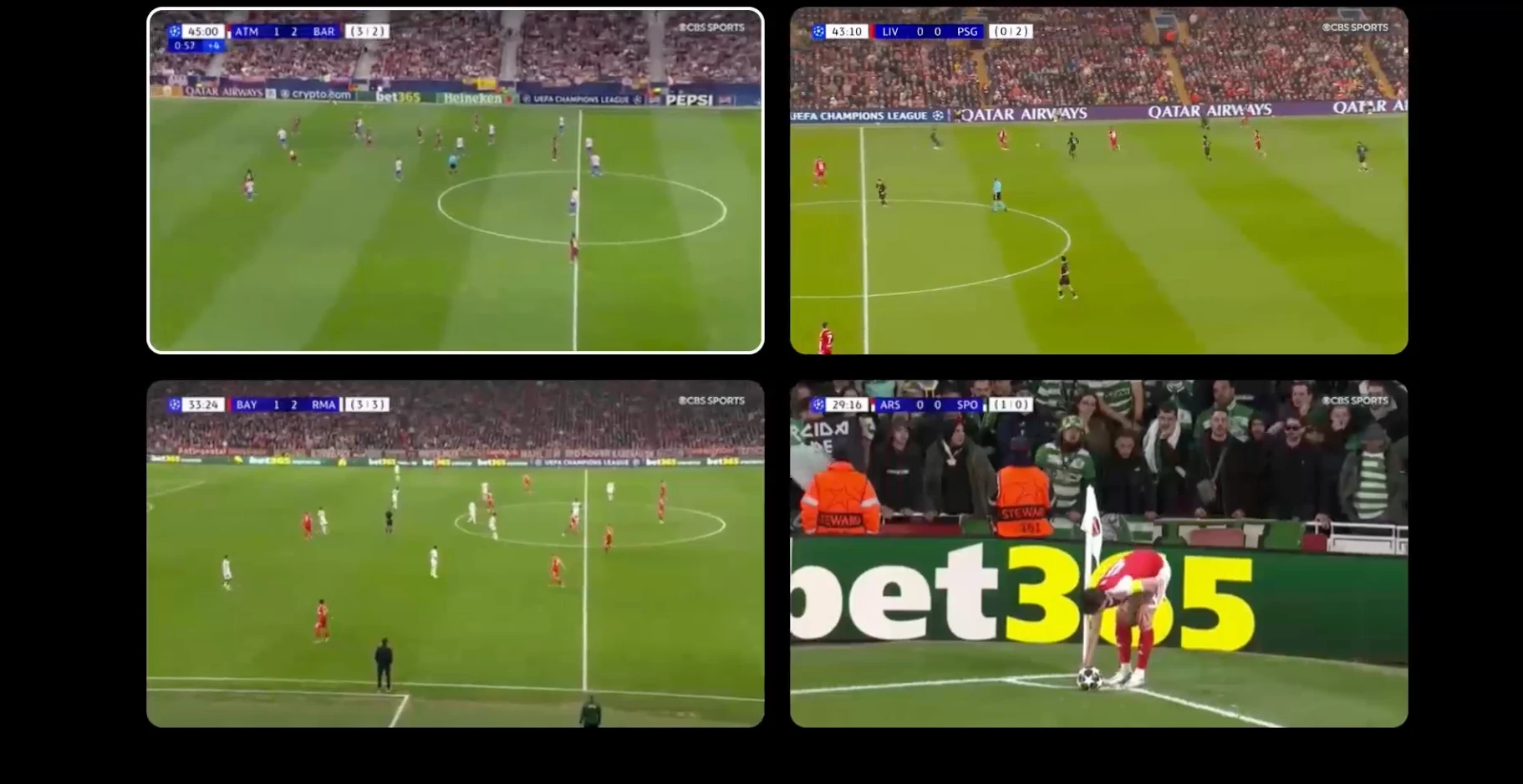
Paramount+ brought live sports into one connected viewing experience. A live guide organized current streams, upcoming schedules, and show categories. Multiview let fans watch up to four events, switch feeds, and choose which audio to hear. Key Moments saved highlights as they happened, ready to revisit later.
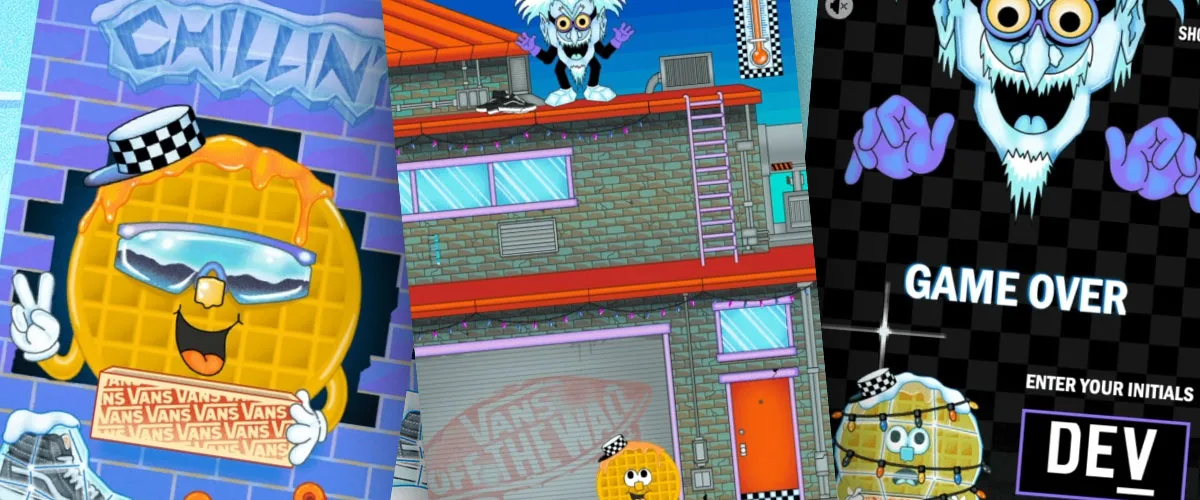
After Wafflin’s success, Vans returned for a bigger holiday game in 2018. Chillin doubled the number of players and quadrupled return visits. Mobile visitors made up 80% of the audience and spent two minutes on the page on average.

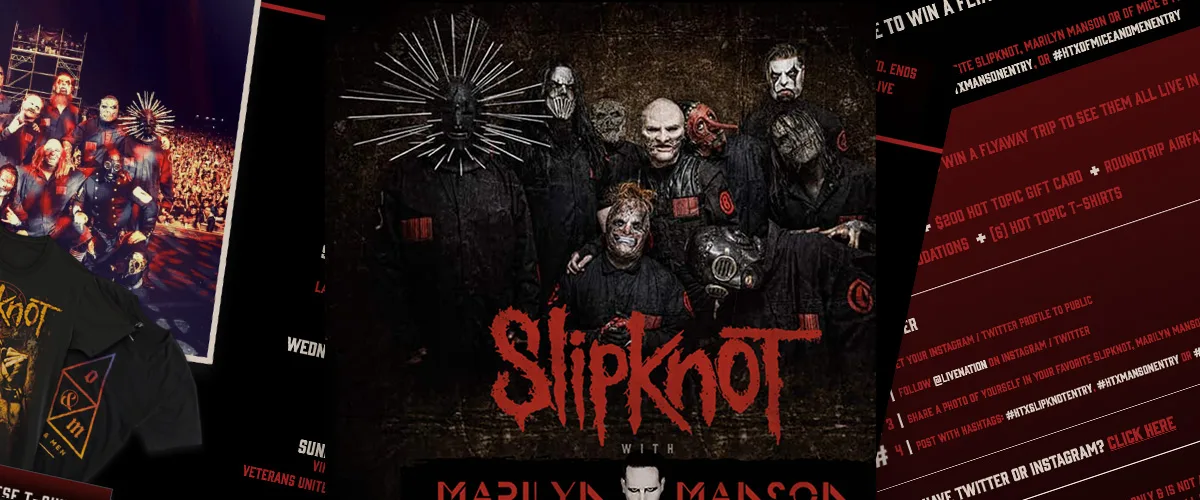
A fan photo contest followed the Slipknot, Marilyn Manson, and Of Mice & Men tour. Visitors entered on Instagram or Twitter with the campaign hashtag, and approved photos appeared in a gallery on the site.



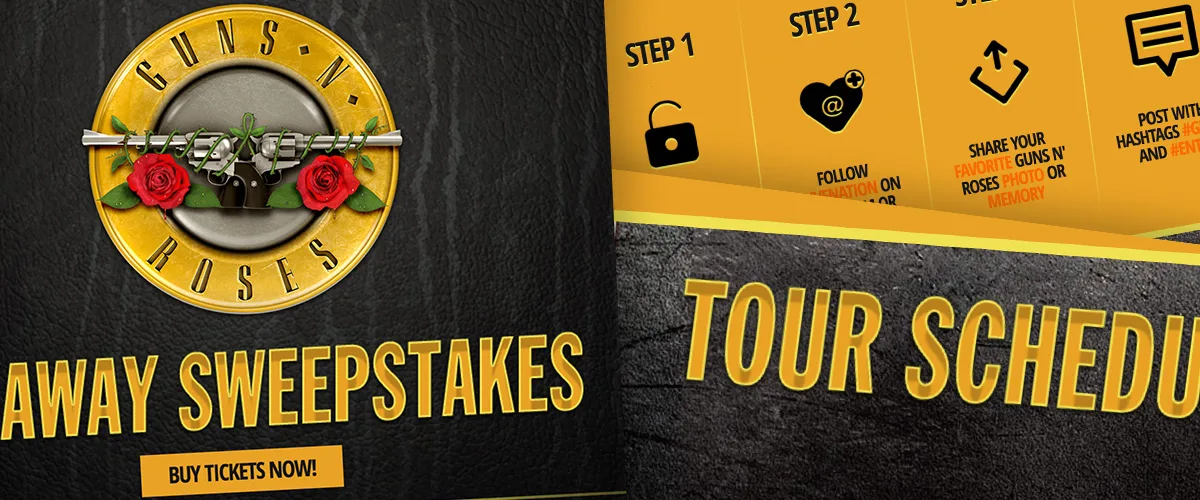
Live Nation’s Guns N’ Roses flyaway sweepstakes gave fans a social way to enter. Photos shared on Instagram or Twitter with the campaign hashtag were reviewed, then approved entries appeared in an online gallery.
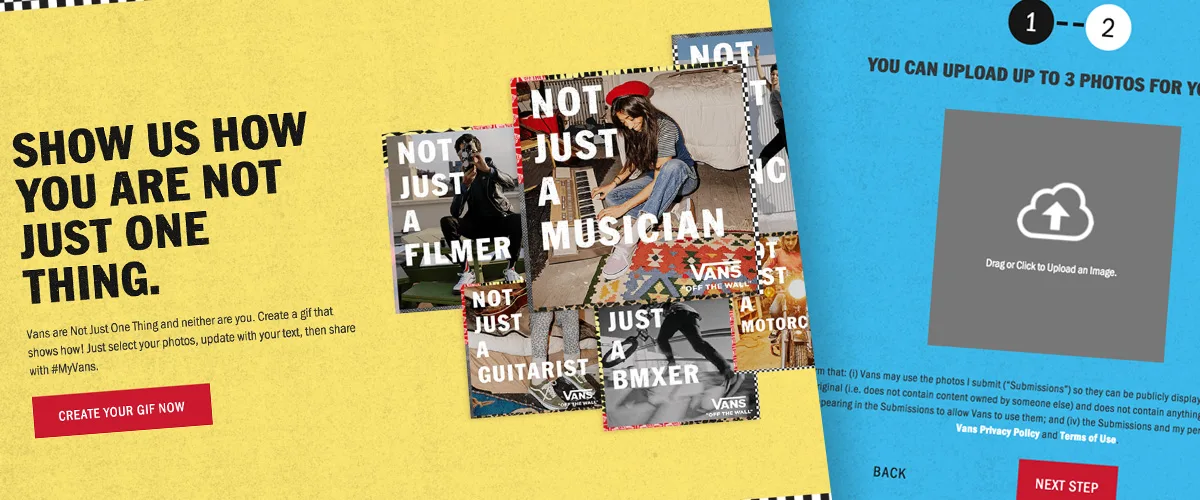
Vans invited people to show there was more to them than a label. The GIF maker turned uploaded photos and a personal message into a short, cycling portrait they could share in their own words.


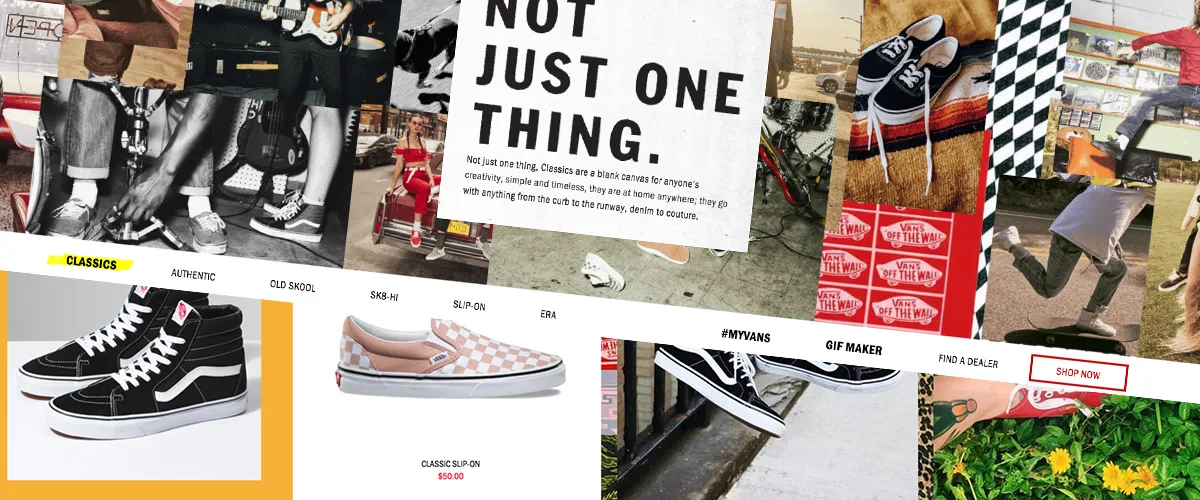
Vans Classics paired new styles with customer photos sourced through Olapic. Each photo connected shoppers to its product page, while an HTML5 Canvas parallax banner brought movement to the landing experience.


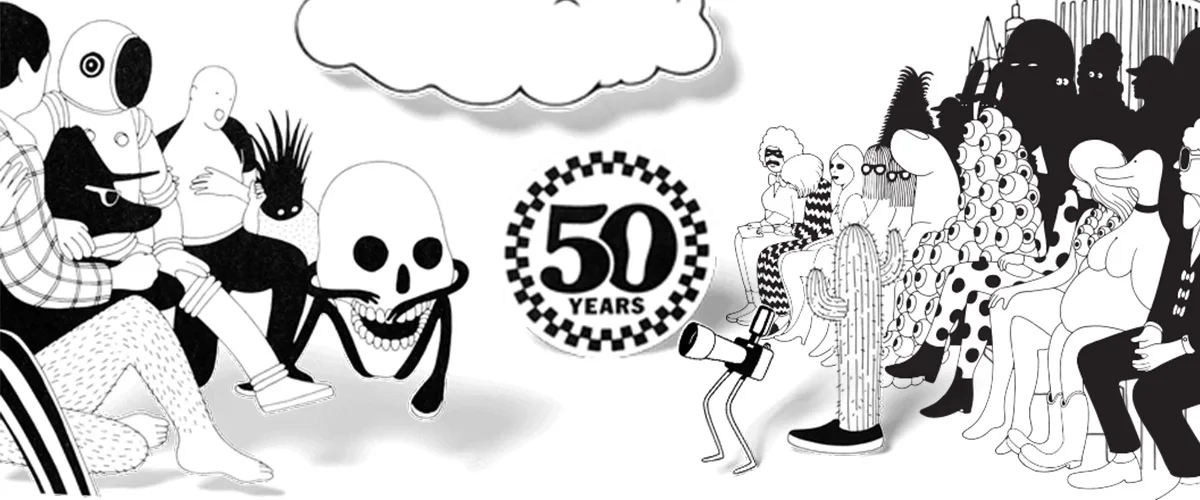
Vans’ 50th anniversary campaign brought paid social and television audiences to a dedicated homepage experience on vans.com. The site gave campaign traffic a single place to explore the launch.


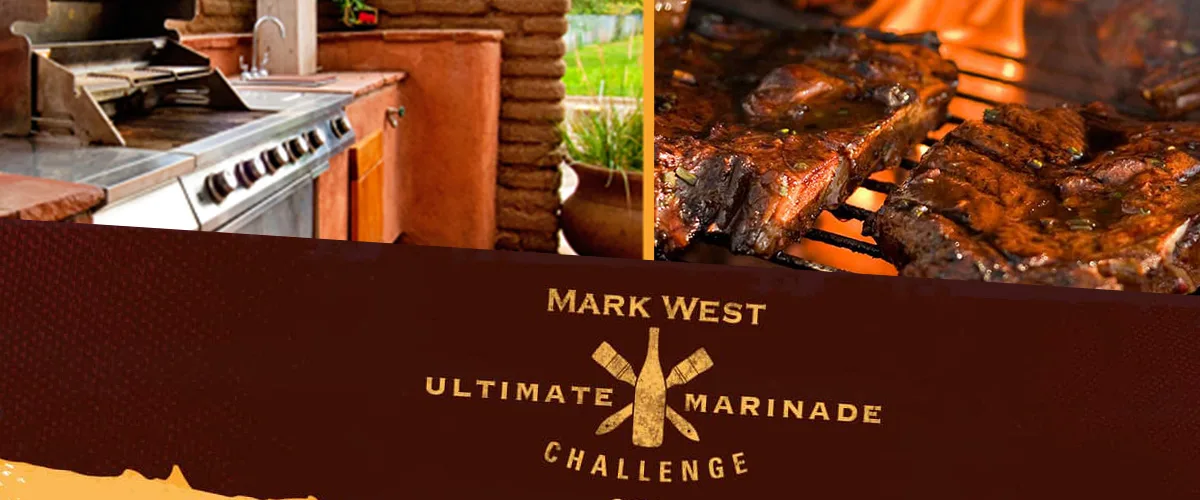

The Mark West recipe contest invited visitors to submit their details and a recipe for a chance to win the grand prize, putting home cooks’ own ideas at the center of the campaign.
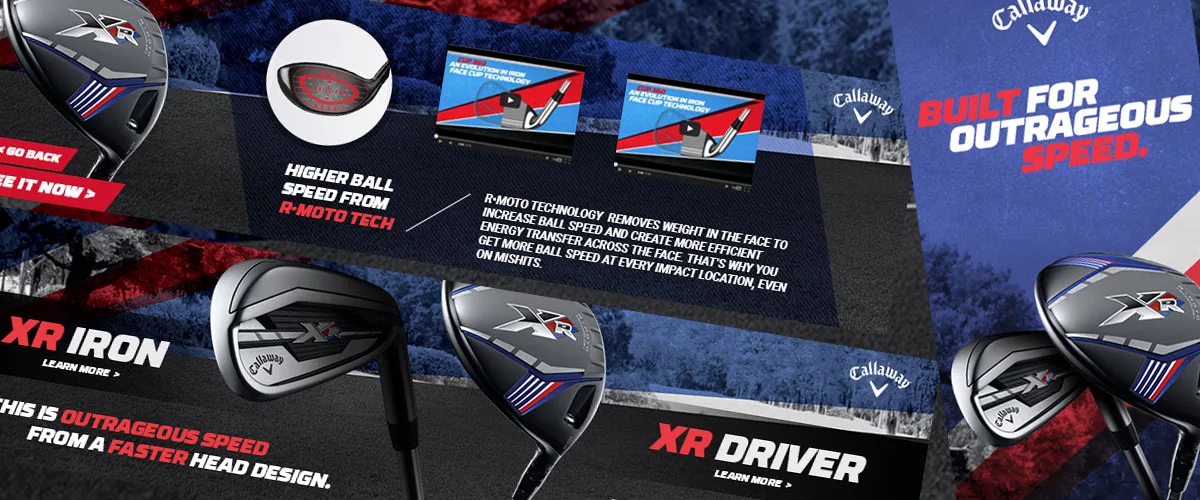

Rich media banners introduced Callaway’s new XR drivers and irons, giving the launch campaign a focused way to showcase the clubs.

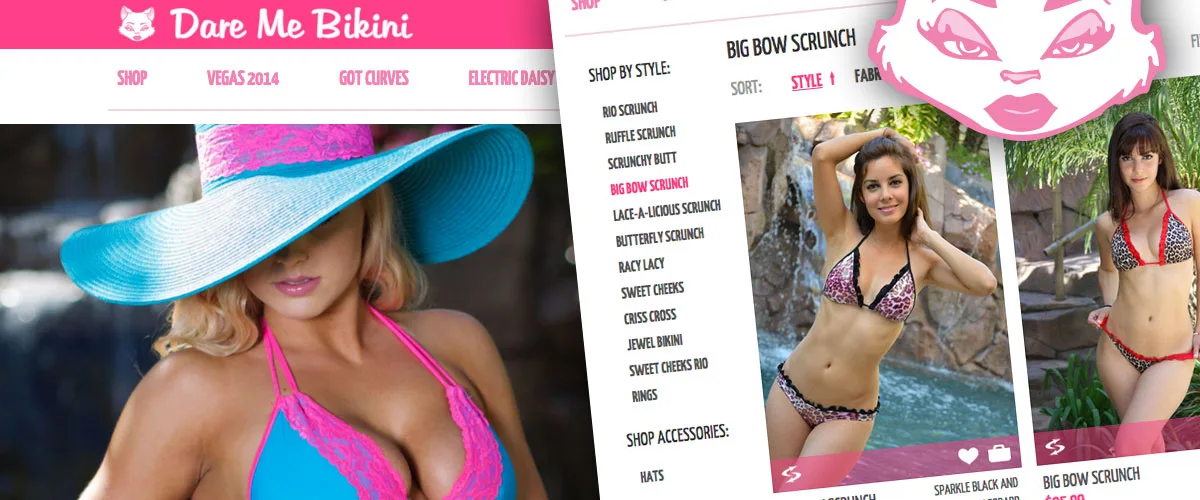

Dare Me Bikini launched with a complete e-commerce storefront built from the ground up, giving the brand a dedicated home for its products.


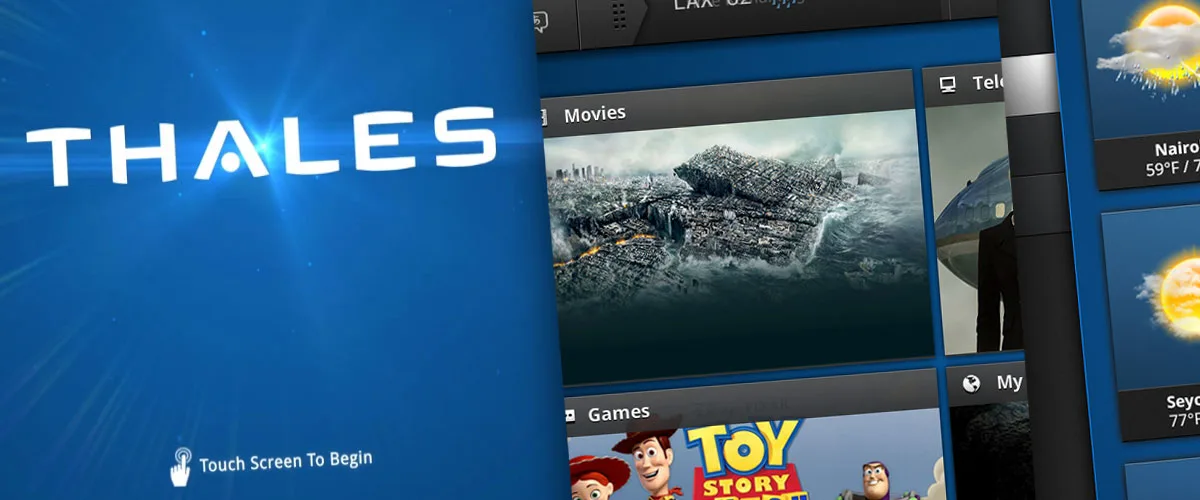

This prototype gave Thales a way to preview new aircraft seat-back displays and the planned in-flight screen experience.
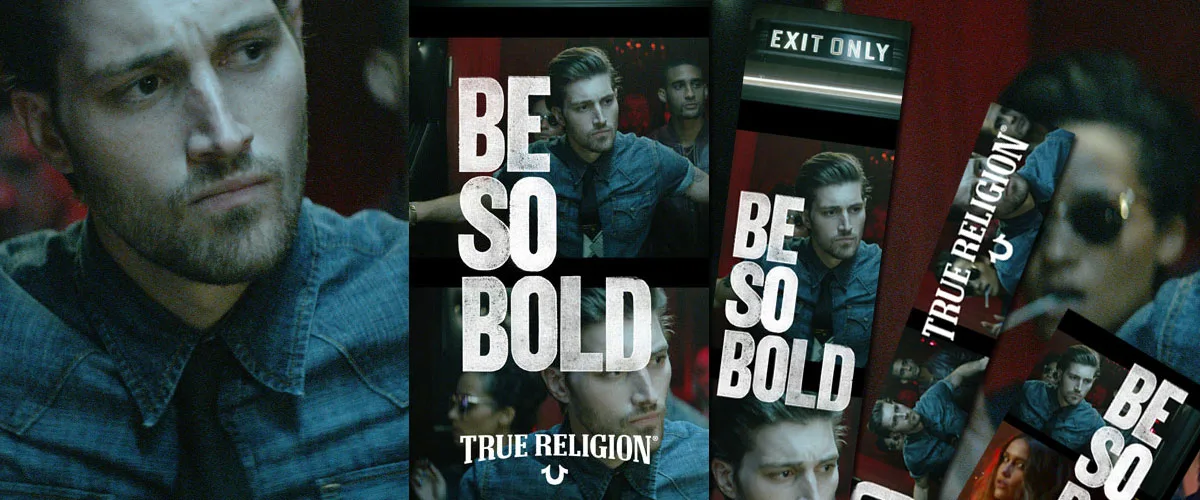

True Religion’s Be So Bold campaign needed a supporting set of ads. These placements carried the campaign’s creative across its rollout.
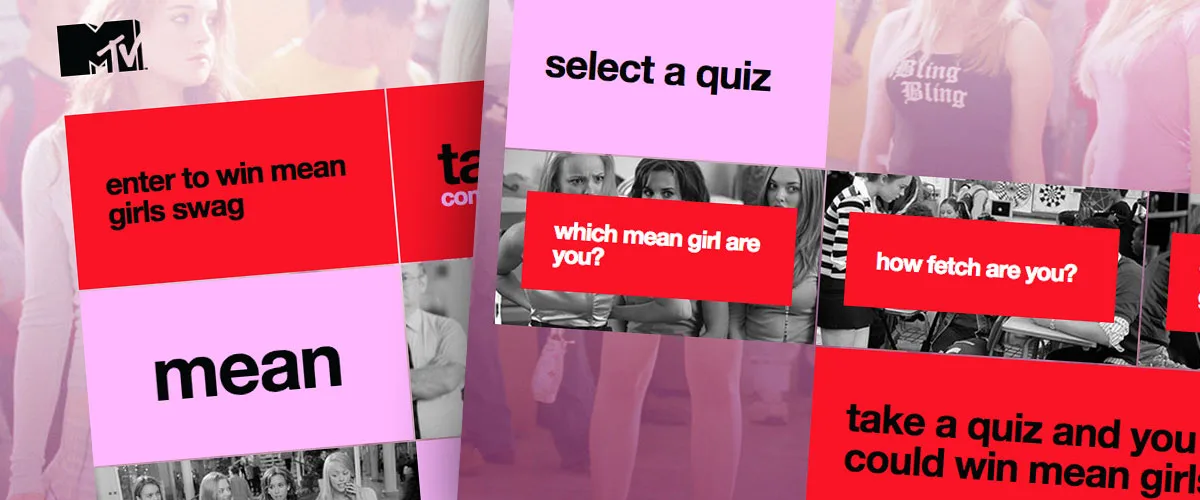

The MTV Mean Girls fan site gave viewers a reason to join in: sign up, test their knowledge in a quiz, and compete for prizes.
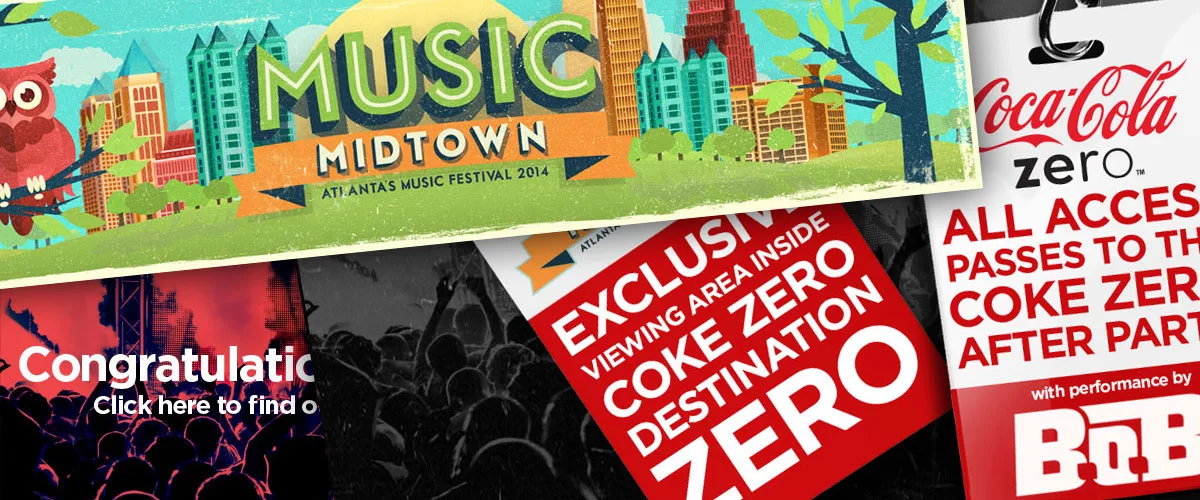

Coke Zero and Music Midtown gave festival fans a quick way to check the VIP List. Visitors entered a Twitter or Instagram handle to see whether they had been selected.
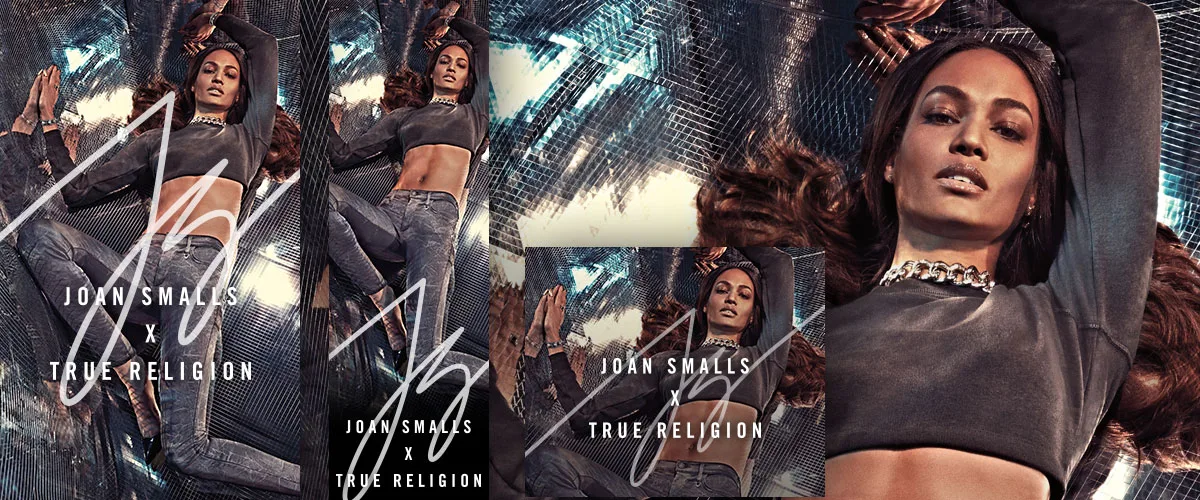
Model Joan Smalls helped inspire a new True Religion collection. The campaign introduced the collaboration and the pieces shaped by it.
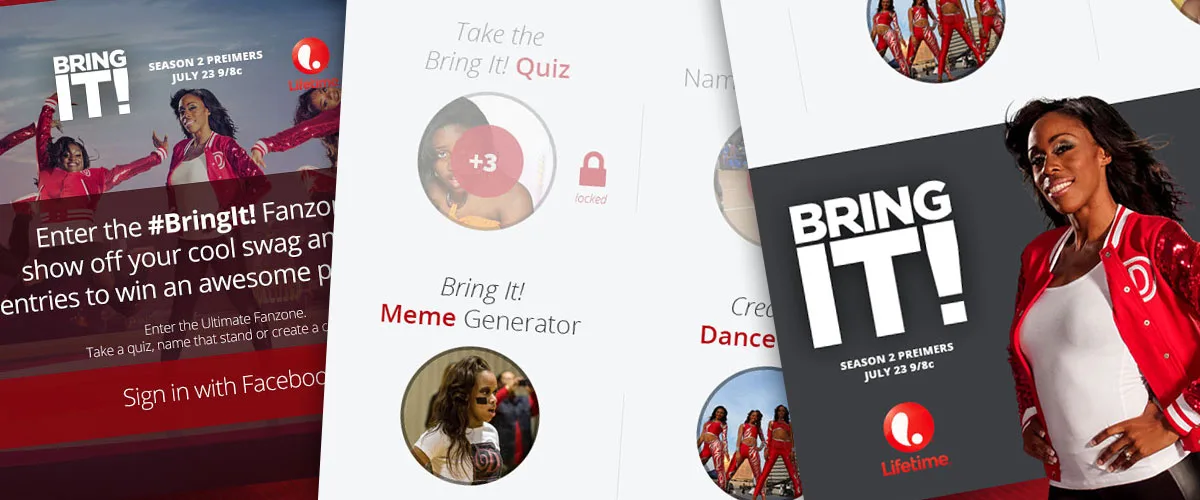

Lifetime’s Bring It! Fanzone turned viewership into a series of fan activities: quizzes, meme makers, a team poster, and points toward prize drawings. Fans could personalize content and share it with their own networks.
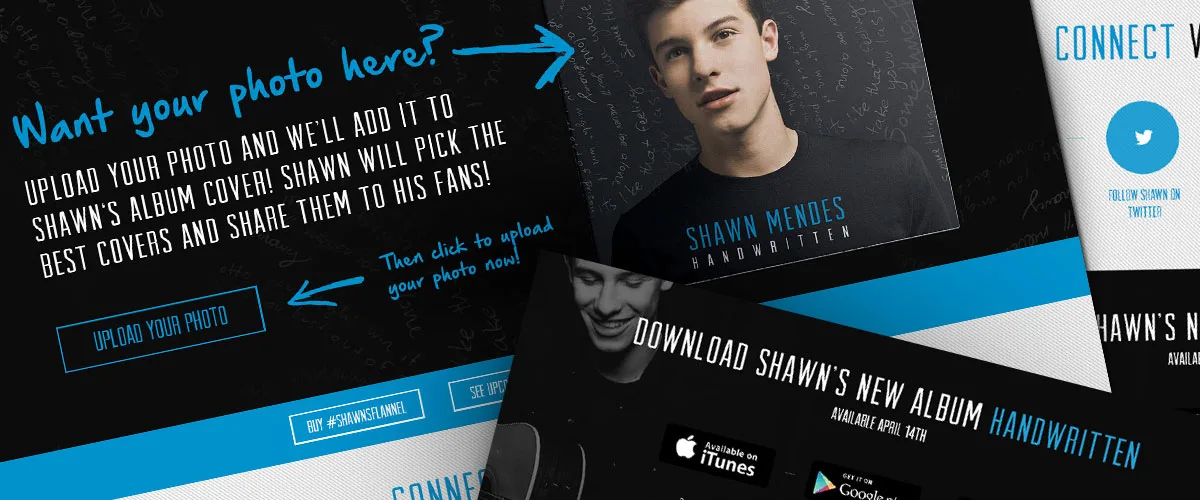

For Handwritten, Island Records invited fans to put themselves on the album cover. The page replaced Shawn Mendes’ photo with theirs, turning the promotion into a personal keepsake.
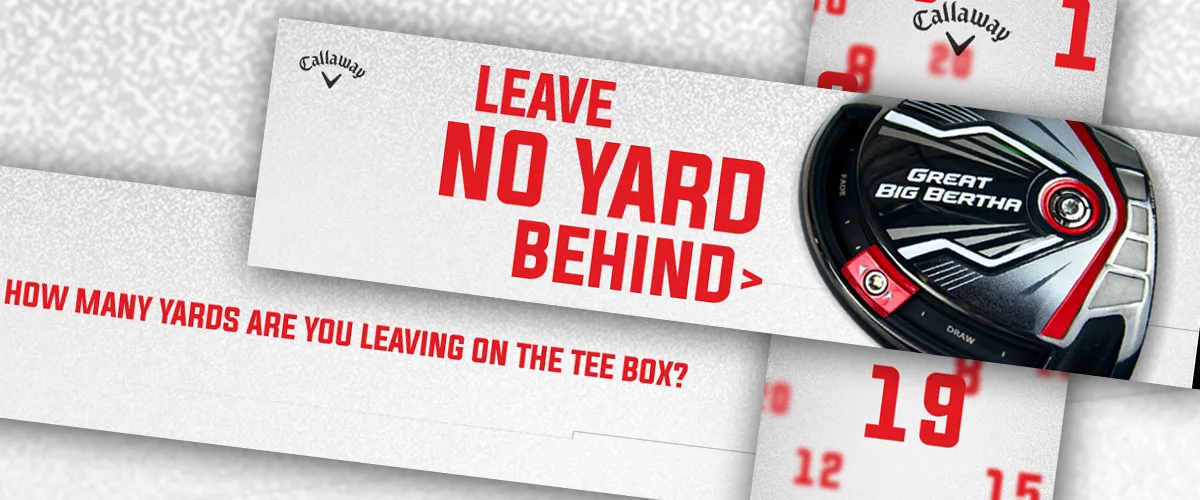
Callaway promoted its Great Big Bertha drivers through HTML5 banners designed to run across desktop and mobile screens.

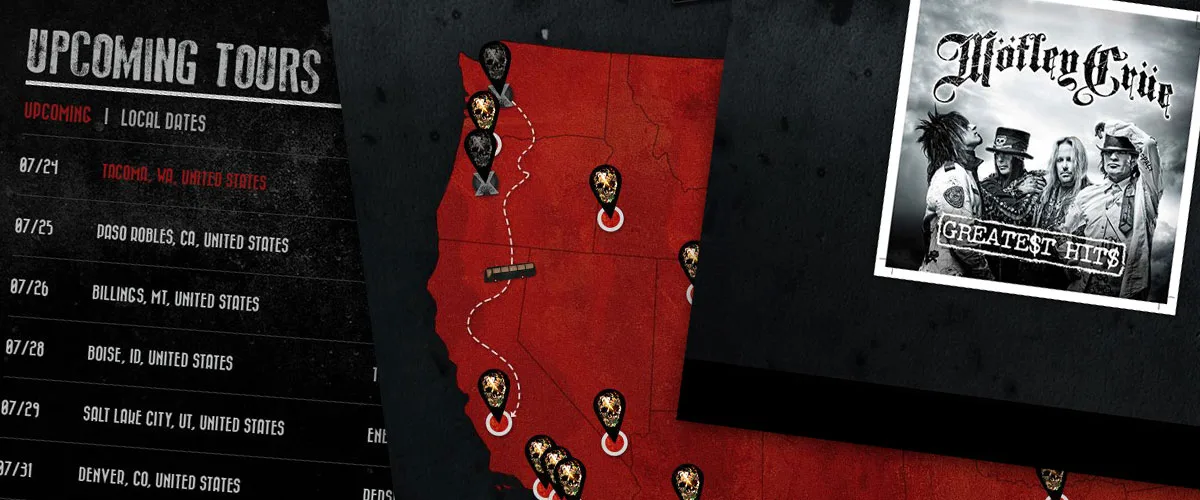

Mötley Crüe’s final-tour site tracked the last 50 cities on a U.S. map and brought fan posts from each stop into the experience, building toward the band’s final show.
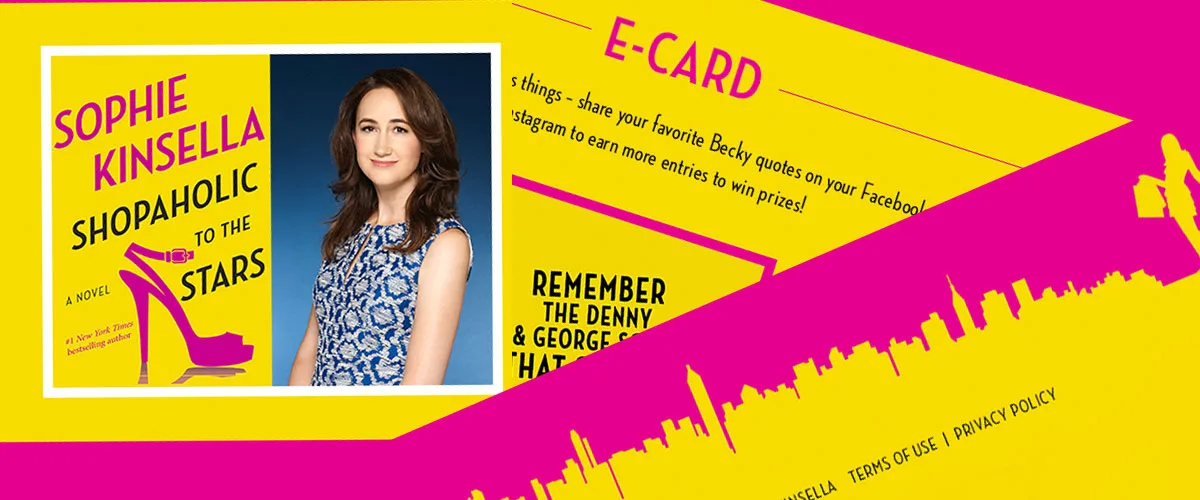

To promote Sophie Kinsella’s Shopaholic to the Stars, readers could take a quiz about the book’s heroine and enter to win prizes. Shareable result cards carried the experience beyond the quiz.
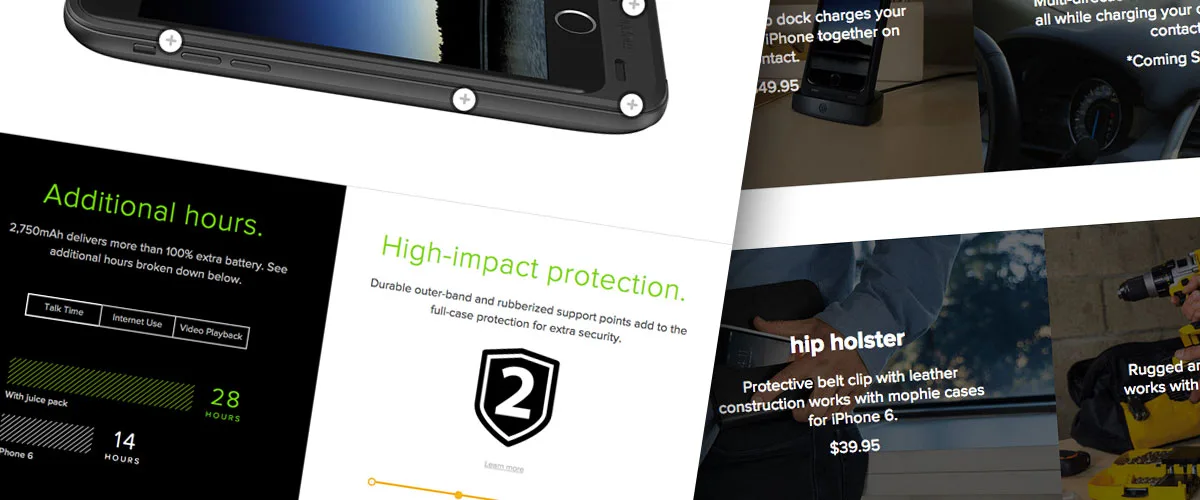

A set of JavaScript and CSS3 components helped Mophie explain the features of its new Juice Packs and support other product launches.
